
2025-01-13
What is Cold Brew Coffee?
A Smoother, Smarter Way to Caffeinate
What is Cold Brew Coffee? A Smoother, Smarter Way to Caffeinate
If you've been grinding through your mornings with the same old drip coffee, poking pods, or punching buttons on the latest office espresso machine, you're probably overdue for an upgrade.
Cold brew coffee has quietly become one of the most underestimated developments in the coffee world over the past decade. It's smoother, less acidic, easier on your stomach, and surprisingly simple to make at home. If you've ever dealt with stomach issues or felt that late-morning crash after your morning cup, read on.
This guide will walk you through what cold brew actually is, why it's different from traditional hot and iced coffee, the benefits for your mind and body, and how you can start making it yourself.
What is Cold Brew Coffee?
Cold brew isn't just a passing fad. It's a fundamentally different way of making coffee that leads to better taste, better feelings, and is more aligned with a health-conscious lifestyle.
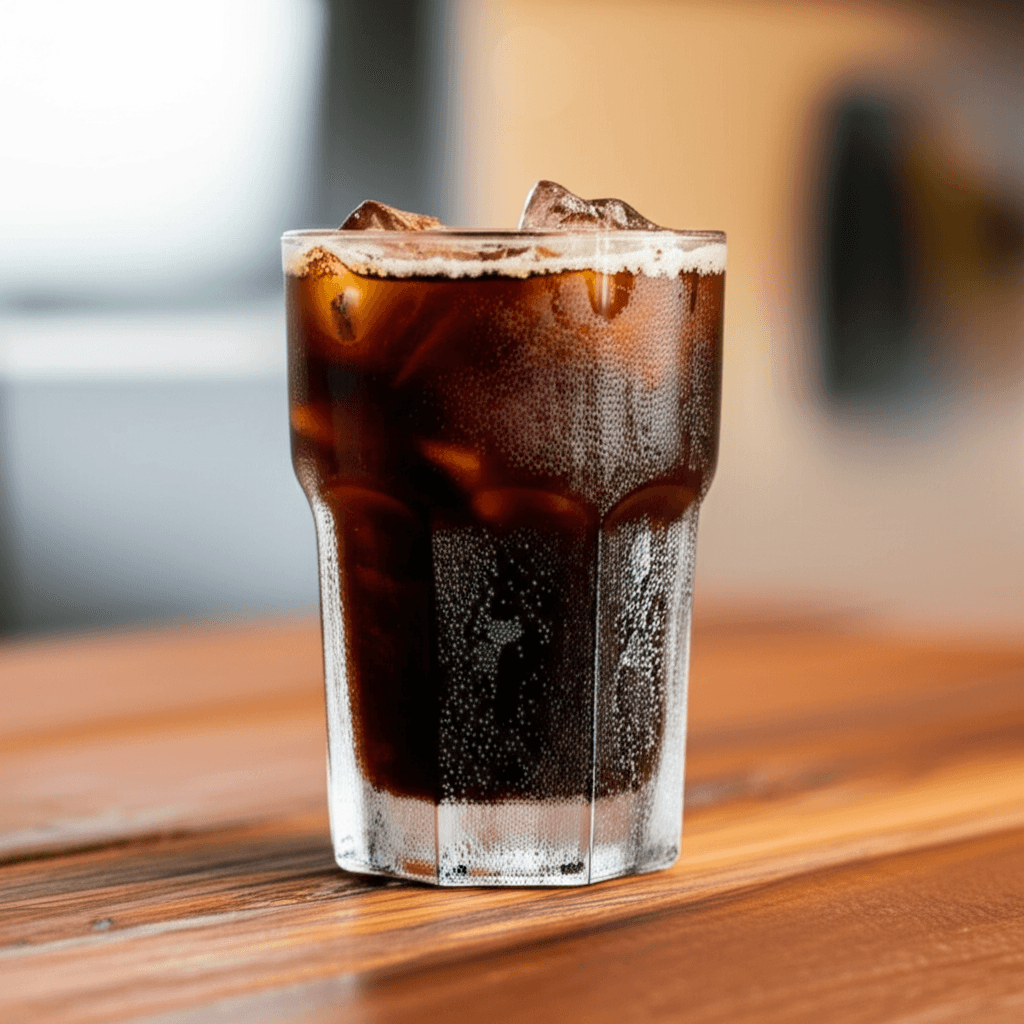
Cold brew coffee is defined by its process: steeping coarsely ground coffee beans in cold water for an extended period (typically 12 to 24 hours). This slow extraction process creates a rich coffee base that's pleasantly smooth and naturally sweet.
Unlike your standard drip coffee or espresso pull, which uses hot water to quickly extract flavors and oils, cold brew's most potent ingredient is time. This process not only changes the chemical makeup of the beverage but also creates an entirely different flavor profile that reduces the bitterness and acidity that normally comes with a machine brew.
The Health Advantage: Why Cold Brew Is Better for Your Mind and Body
If you want some clean caffeine without the digestive drama, cold brew is a game-changer.
One of the most compelling reasons to try cold brew coffee is how much gentler it is on your digestive system. Cold brew coffee is up to 67% less acidic than traditional hot-brewed coffee.
When coffee is brewed with hot water, it extracts a higher concentration of acidic compounds and oils that can irritate your stomach lining. If you've ever experienced stomach discomfort, acid reflux, or that uncomfortable jittery feeling after your morning cup of glory, this could be the reason why.
When brewed with cold water, however, less of that irritating stuff makes it to your cup so you can enjoy your coffee ritual without worrying about how your gut will react an hour later.
Beyond acidity, cold brew offers a more balanced energy experience. Instead of the ups and downs you might get from espresso or drip coffee (where you climb fast and crash hard), cold brew coffee offers a more gradual build-up with a smooth, sustained level of energy and focus throughout the day.
The caffeine is still there but your body processes it differently. It's a clean, steady energy that carries you through deep work sessions without the sudden dropoff that leaves you reaching for another cup a few hours later.
Better Taste: The Science Behind the Smoothness
Hot, rapid extraction is efficient, yes, but that efficiency comes at the cost of taste, which is why normal coffee can have a harsh or sour flavor. Heat accelerates the extraction of chlorogenic and quinic acids, which are the main contributors to coffee's acidity and bitterness.
When done right, cold brew coffee doesn't have that bitter bite. It actually tastes good for a change, and because it tastes so good on its own, there's no need for all the cream, sugar, and syrups.
Now the floodgates open and you start to recognize what coffee actually tastes like.
Just like wine grapes, different coffee beans from around the world will produce drastically different flavor profiles. You start to play with the notes: do you like bright, fruity and floral flavors, or something earthier, with a touch of chocolate or caramel? You experiment with roasts, lighter and darker. You iterate on ratios and steep times.
Eventually you take a sip and your eyes widen with surprise, making that same audible "ahhh" sound you'd make when you crack a cold beer on a hot summer day.
Your first good cup of cold brew is a gateway to explore unknown territories you never knew existed. The limitless flexibility is part of what makes cold brew so exciting. You just dial it in to match your personal taste preferences, without needing expensive equipment or barista-level skills.
Cold Brew vs Iced Coffee
No, cold brew and iced coffee are not the same!
Iced coffee is simply hot-brewed coffee that's been cooled down and poured over ice. Pouring it over ice might make it refreshing, but it doesn't change the underlying profile.
Cold brew, on the other hand, never touches hot water. This fundamental difference in brewing method creates two entirely different drinks, with distinct flavors, textures, and chemical compositions.
It's not uncommon to see cafés label their iced coffee as cold brew, especially since the latter has grown in popularity. So as a rule of thumb, whenever ordering cold brew at a café or restaurant: ask how it's made. If it's really brewed cold, the barista will tell you how they soak it for X number of hours or keep it in the fridge overnight.
It's also worth noting that cold brew can be made using a drip method, which is different from immersion. Instead of soaking the coffee, you'll see a single drop of room-temp water passing through a batch of grounds in a tall glass spiral that looks like something out of Harry Potter's potions classroom. This is Dutch coffee, which, while technically a cold brewing method, doesn't produce the same result as a traditional steep.
Cold Brew vs Espresso
Espresso is the foundation for lattes, cappuccinos, and Americanos, among others. It's all about intensity and speed.
Brewed under high pressure in mere seconds, the small, concentrated shot has a rich, complex taste with thick crema. But it can also be harsh, acidic, and overwhelming, especially if you're drinking it straight or on an empty stomach.
Cold brew, by contrast, is mellow, smooth, and forgiving. It doesn't have the sharp edges or intense bitterness of espresso. While espresso requires an expensive machine and a fair amount of skill to pull consistently good shots, cold brew requires nothing more than a jar and some patience. For the coffee-curious who want café-quality results without the investment or learning curve, cold brew is worth a shot.
That said, espresso and cold brew aren't really competitors; they're different tools for different jobs. Espresso is perfect for a quick, intense hit of caffeine and flavor, while cold brew is ideal for sipping throughout the morning or afternoon.
It's the head chef right before dinner rush vs. the digital nomad clearing emails on the beach after a surf.
A rocket ship vs. a cruise ship.
Caffeine Content: Is Cold Brew Stronger?
Short answer: yes, it's stronger but it's also adjustable.
Ounce for ounce, cold brew typically has a higher concentration of caffeine compared to other brewing methods, but it can easily be diluted with water or milk to reach your preferred strength.
When you dilute cold brew with an equal amount of water or milk, you end up with a caffeine level that's roughly comparable to a standard cup of drip coffee: around 100 to 200 milligrams per serving, depending on the beans used.
Want a lighter, more mellow drink for the afternoon? Dilute it more. Need a serious boost for an early-morning deadline? Use less water and leverage its full strength. This adjustability is perfect for the productivity-focused professional who needs to fine-tune their energy levels throughout the day.
Remember, though, that the caffeine absorption can feel smoother and more sustained than that of espresso drinks. You're less likely to experience the jittery, anxious feeling that sometimes accompanies a double espresso. While this can be a major advantage for those looking for clean, focused energy, it also makes it easier to over-caffeinate.
Making Cold Brew at Home: a DIY Guide for Better Brews
Cold brew coffee is absurdly simple to make. It's quick and requires minimal equipment, which makes it great for a busy lifestyle.
The process itself is elegant. Just combine coffee grounds with cold water at roughly a 1:5 ratio (one part coffee to five parts water), let it sit overnight, then strain out the grounds. What you're left with is a potent concentrate that can be diluted with water or milk to your desired flavor and strength preferences.
From start to finish, it takes less than five minutes to prepare.
No need for an espresso machine, a fancy pour-over setup, or even a coffee maker. You can use a French press if you have one, but it's not required. You could just as easily use a standard cup or bowl and strain with a fine mesh colander or sieve, all things you likely already have or could easily buy at the local dollar store. Think of all the things you could do with that extra counter space!
Large batches can be stored in the refrigerator for up to two weeks, which makes cold brew incredibly convenient for meal prep-style coffee drinkers. Brew a big batch on Sunday, and you've got ready-to-drink coffee for the entire week. No more waiting for a pot to brew or fumbling with pods in the morning. Just pour, dilute to taste, and go.
If you're ready to dive deeper into the process and learn the exact steps for making perfect cold brew at home, we've put together a comprehensive guide that covers everything from choosing the right beans to dialing in your steep time. Check out our guide on making cold brew at home to get started. You'll be amazed at how easy it is to produce café-quality results with just a few simple tools and a little bit of patience.
Summary: Transforming Your Daily Coffee Ritual
Cold brew is far more than just "cold coffee." It's a distinct brewing method that embodies a healthier and more productive lifestyle. As a quick recap, here are three main reasons to give it a try:
Unique Process: By utilizing time instead of heat as the primary extraction tool, you unlock a smoother flavor and a more functional energy source.
Better Experience: Cold brew is less acidic than hot coffee, often reducing stomach discomfort. Instead of sharp spikes and crashes, cold brew offers a more gradual build-up of energy and a steady level of focus throughout the day.
Superior Flavor: The cold extraction process replaces bitterness with a naturally sweet, smooth taste. Both the flavor and caffeine can be easily adjusted to suit your preferences.
Whether you're a biohacker looking for a cleaner way to get some caffeine or a productive builder seeking more reliable energy, cold brew is a smarter, more intentional way to enjoy coffee. Once you try it, you'll wonder why you didn't do it sooner.